Ecommerce for Buying Groups & Associations: A Guide

A buying group, association, or franchise can launch ecommerce across its entire membership with one shared platform: connect approved suppliers once, give every member a branded storefront automatically, and let suppliers ship orders directly to customers. Members never touch inventory or fulfillment — the operator controls the catalog and who participates.
Why member-by-member ecommerce doesn't work
The obvious path — tell each member to build their own online store — fails at scale. Every member repeats the same cost and learning curve. The brand looks different in a hundred places. Nobody has the volume to negotiate good supplier terms alone. And most members never get around to it, so the group's collective buying power stays offline.
U.S. B2B e-commerce has grown into a $2-trillion-plus channel (Digital Commerce 360) — yet member-by-member, most networks never capture their share of it. The opportunity your network has — shared suppliers, trusted relationships, real scale — gets stranded.
How the network model works
One platform powers every member's store:
- Connect suppliers once. Their products flow into a shared catalog.
- Every member gets a branded storefront, launched ready.
- Suppliers ship direct to the customer. No member holds inventory.
- You, the operator, stay in control of what's sold and by whom.
One catalog, many storefronts, central control. That's the whole idea.
Who this fits
This model works for any organization that already coordinates a network of businesses:
- Associations giving members a curated, approved product catalog
- Buying groups putting collective purchasing power to work online
- Franchises running one branded catalog across every location
- Distributors giving their retailers branded storefronts
- Cooperatives & membership orgs offering members a shared store
Where do group purchasing organizations fit?
A group purchasing organization (GPO) is an entity that pools the purchasing power of many independent businesses to negotiate better pricing and terms from suppliers. Buying group and GPO are often used interchangeably, and the distinction that matters here is which side of the transaction the organization is built for.
A GPO optimizes the buy side. It secures the contract, the pricing, the terms. Group purchasing is long-established in healthcare, foodservice, grocery, manufacturing and agriculture, and in most of those sectors the model stops at procurement — members buy better, and that is where it ends.
Ecommerce is the sell side, and it is usually missing. The same negotiated catalog that saves members money can also be something they offer, under their own brand, to their own customers. A GPO already has the two hard parts: approved suppliers on one side, member businesses on the other. What it typically lacks is the infrastructure connecting them online — which is the gap this model fills.
What the operator controls
Central control is the point. From one place you set which products are available, how they are grouped into collections, and which members can participate. Change anything once and it propagates across every storefront in the network — no member-by-member updates.
What members get
A storefront that works on day one, ready to share. They keep their own branding and customer relationships, and gain a way to offer the network's products online, with suppliers handling stock and shipping. For most members, that's the difference between being online and never getting around to it.
How revenue and payouts flow
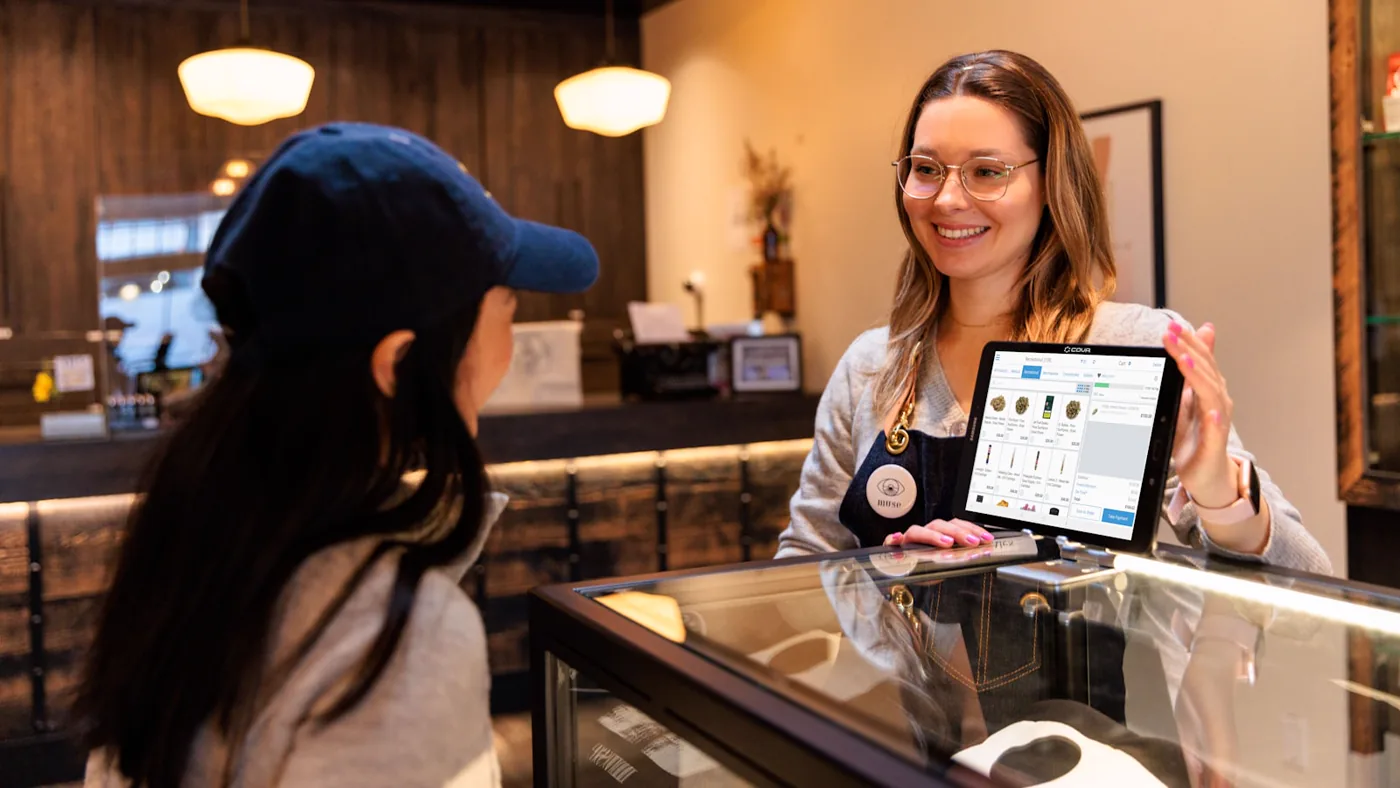
When a customer buys, the supplier fulfills and ships. Payments, commissions, and payouts run automatically: ShopDot pays supplier, member, and operator on schedule.
The bottom line
If your network has suppliers on one side and member businesses on the other, the missing piece is the infrastructure that connects them online — under your control, with suppliers holding the inventory. See how ShopDot powers commerce across a network →
FAQ
What is a buying group?
A buying group is a set of independent businesses that pool their purchasing power to negotiate better pricing and terms than any of them could get alone. Members stay independent and compete normally; they simply buy together. The terms buying group and group purchasing organization (GPO) are largely interchangeable.
What is a group purchasing organization?
A group purchasing organization (GPO) is an entity that combines the purchasing power of multiple businesses to obtain better pricing, contract terms and services from suppliers. It gives smaller members access to terms normally reserved for the largest buyers.
How does a group purchasing organization work?
The GPO negotiates contracts with suppliers on behalf of its whole membership, then makes those contracts available to members. Members buy under the negotiated terms. Adding ecommerce extends that same approved catalog into something members can also offer their customers.
What industries use group purchasing organizations?
Group purchasing is most established in healthcare, foodservice and grocery, and is also common in manufacturing, electronics and agriculture. Any sector with many independent operators buying similar goods from overlapping suppliers tends to develop them — including franchise systems, cooperatives and trade associations.
How do buying groups make money online?
By giving every member a branded storefront on one shared platform that offers the network's products — suppliers ship directly, and payouts split automatically across supplier, member, and operator.
What is a multi-vendor marketplace?
One storefront and catalog where many suppliers' products are sold together, with each order routed to the right supplier for fulfillment.
Do members need to hold inventory?
No. Suppliers fulfill and ship directly to the customer — members never touch inventory or logistics.
Give every member a storefront
One catalog, many branded stores, central control — see what network commerce looks like for your group.
Schedule a demo