

What Is a Multivendor Marketplace (and Does Your Network Need One)?
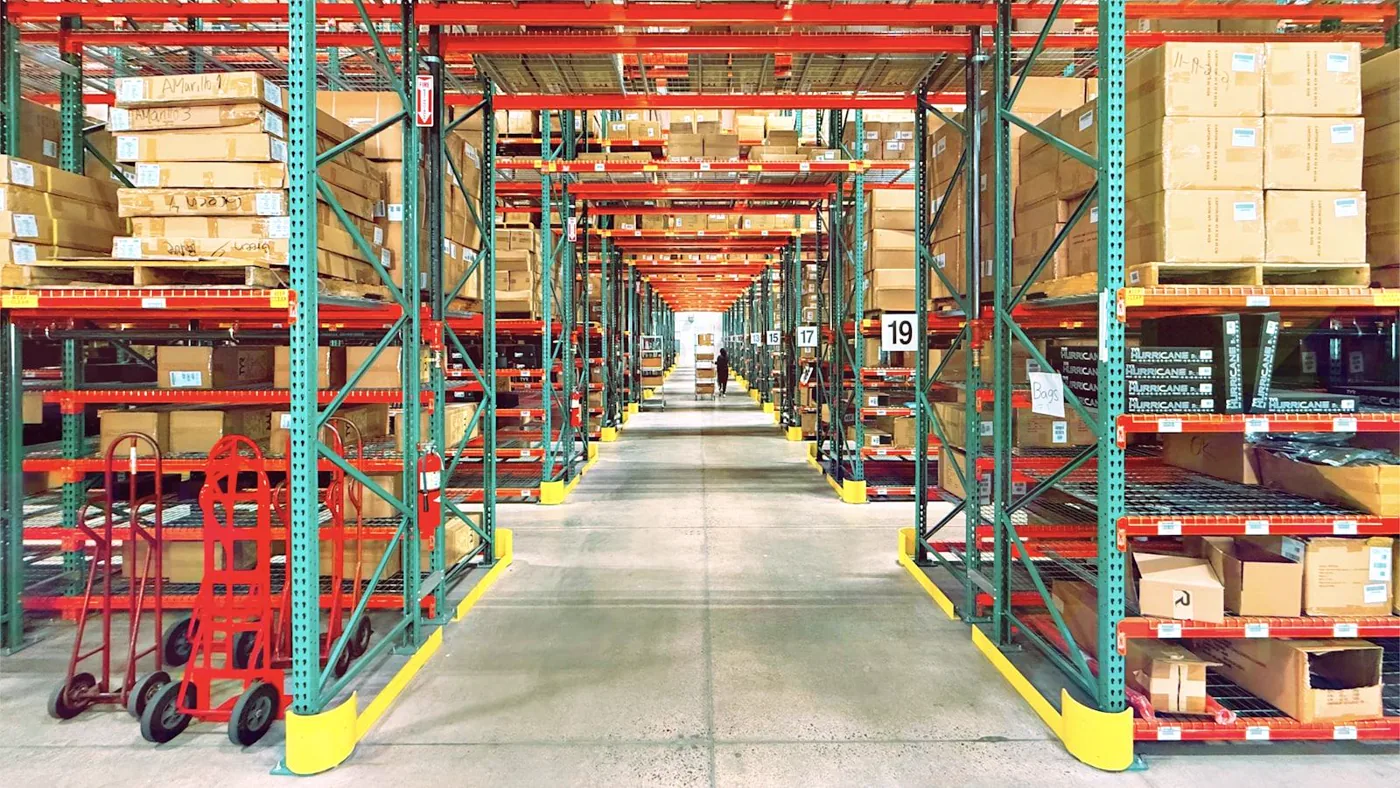
A multivendor marketplace is a single online store where many suppliers sell their products side by side, and each order routes to the supplier who fulfills it. One branded catalog out front; many sellers behind it. For a member network, it's often what separates a real shared store from a scatter of separate ones.
What is a multivendor marketplace?
A multivendor marketplace is an online storefront that brings products from multiple independent sellers together under one catalog and one checkout. Amazon, Etsy, and eBay are the consumer examples: a single destination, thousands of sellers, each shipping its own orders while the platform owns the catalog, checkout, and payouts.
The model dominates online retail for a reason. The 100 largest online marketplaces sold $3.83 trillion in goods in 2024 — up 10% in a year, and roughly double their size six years earlier (Digital Commerce 360). Buyers get one catalog and one checkout; sellers get built-in demand.
How does a multivendor marketplace work?
The flow is the same whether it's a consumer giant or a network's private store:
- Suppliers list their products into one shared catalog.
- Customers browse and buy from a single branded storefront.
- Each order routes to the supplier who stocks that item.
- The supplier ships directly to the customer.
- Payments split automatically across the operator and each supplier.
No one warehouses everything — the marketplace coordinates it.
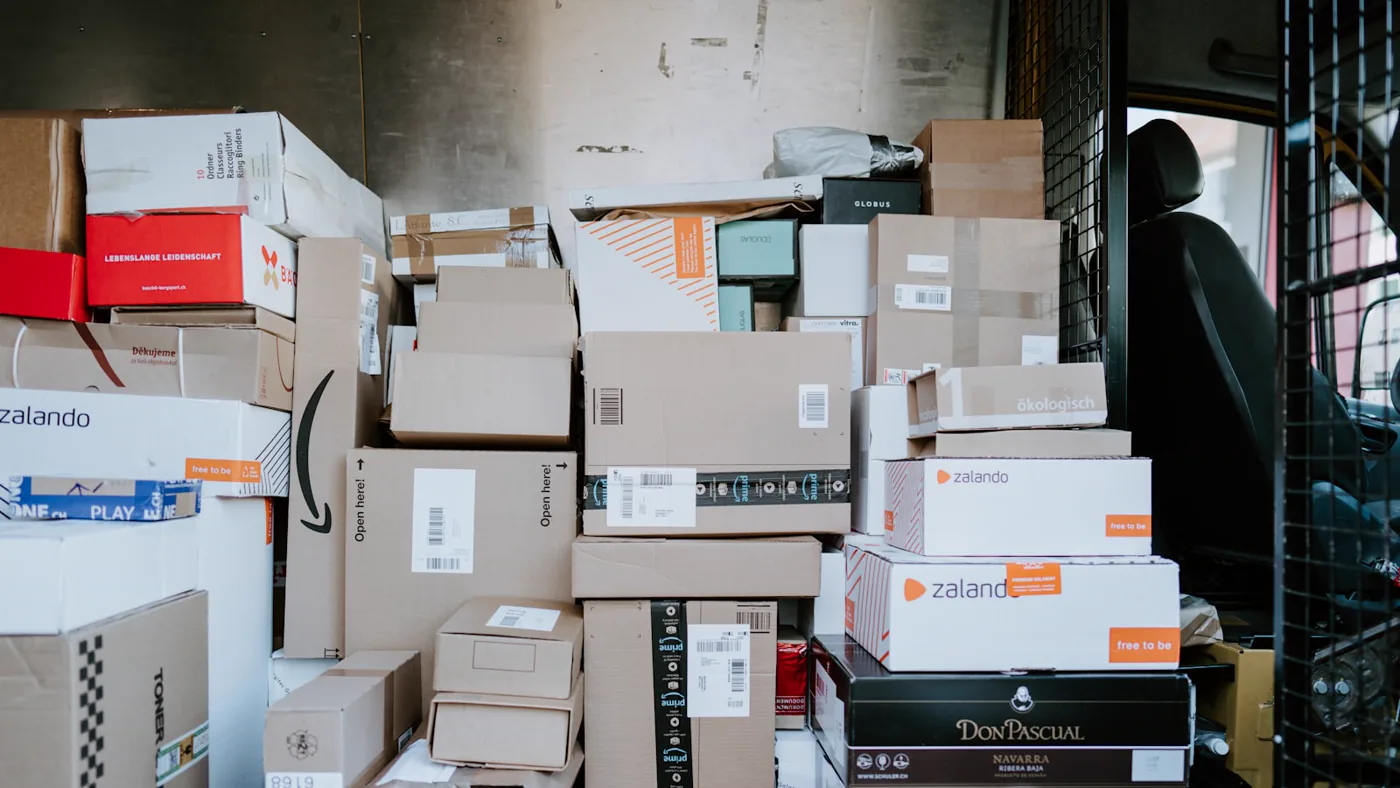
Single-vendor store vs. multivendor marketplace
| Single-vendor store | Multi-vendor marketplace | |
|---|---|---|
| Who sells | One business | Many independent suppliers |
| Inventory | The store owner | Each supplier |
| Fulfillment | One shipper | Routed to each supplier |
| Best for | A single brand or member | A network offering a shared catalog |
Does your network need a multivendor marketplace?
Probably yes if you have multiple suppliers, you want members to offer a shared catalog, and you want central control over what's sold and by whom. A single-vendor storefront per member can be enough if each member only sells their own products. But most associations, buying groups, and distributor networks have many suppliers on one side and many members on the other — exactly the shape a marketplace is built for, and the foundation of ecommerce for buying groups and associations. If you're comparing tools to run it, see what to look for in a B2B ecommerce platform.
FAQ
What is a multi-vendor marketplace?
An online store where many independent suppliers sell together under one catalog and checkout, with each order routed to the seller who fulfills it. The platform runs the catalog and checkout and splits payments automatically.
What is an example of a multivendor marketplace?
Amazon, Etsy, and eBay are the best-known consumer examples. The same model powers private marketplaces for associations, buying groups, and distributor networks.
What's the difference between a marketplace and an online store?
A standard online store sells one business's products. A marketplace sells many suppliers' products in one place and routes each order to the right seller to fulfill.
Do vendors ship their own orders in a marketplace?
Usually yes. Orders route to each supplier, who ships directly to the customer — no central warehouse required.
Run a marketplace across your network
One branded catalog, many suppliers, orders routed automatically — see how it works.
Schedule a demo